News
Announcements

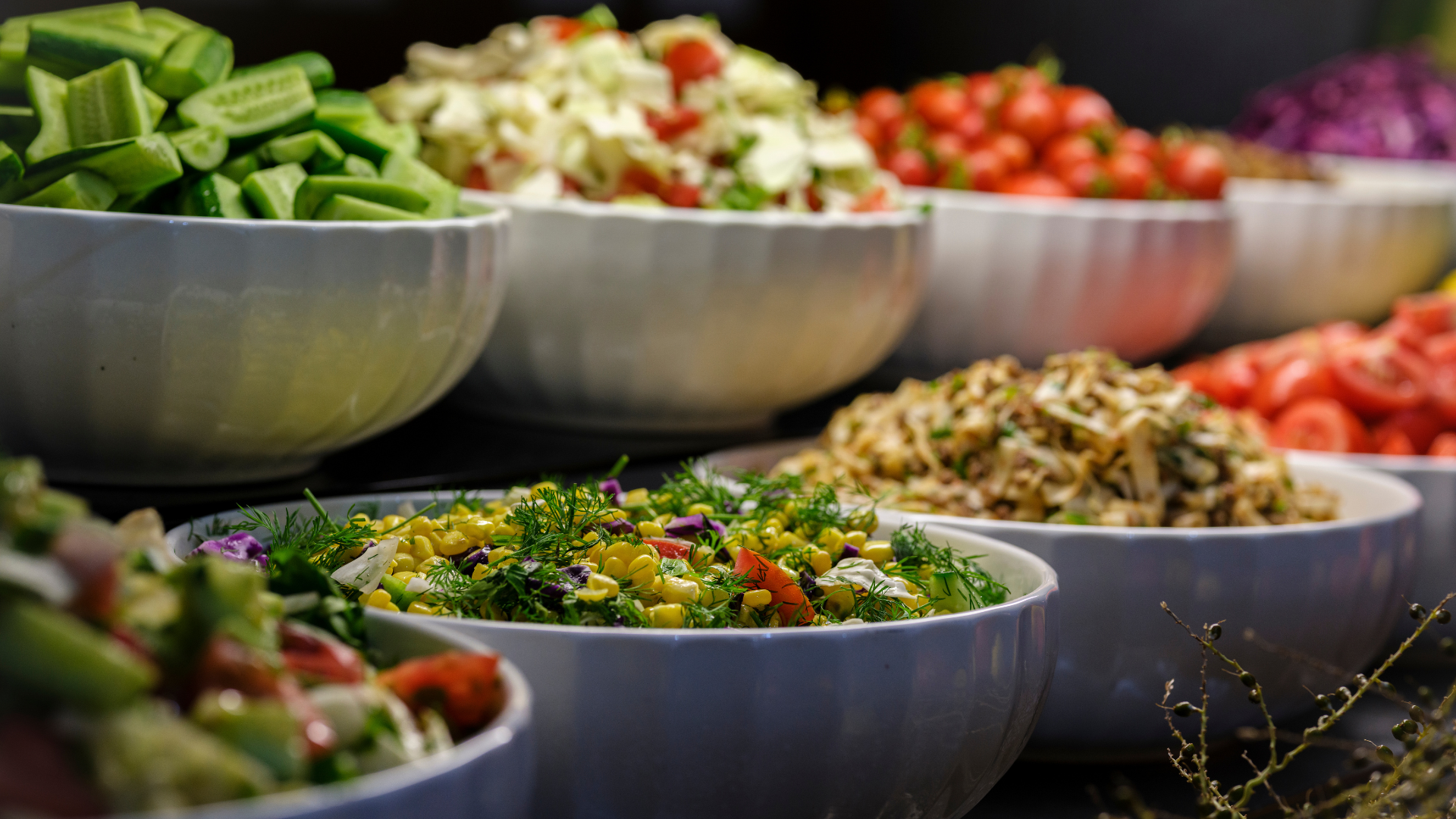 Protecting your guests from foodborne illness starts with smart design and consistent practices in buffet and self-service areas where allergens and bacteria can spread quickly.
Self-service food areas present unique challenges that demand your attention. When guests serve themselves from buffets, breakfast bars, or open displays, the potential for cross-contamination increases significantly. Shared serving utensils, guests reaching across dishes, and food particles falling from one container into another create pathways for allergens and bacteria to spread beyond their source.
The consequences of poor allergen management in these environments can be severe. A guest with a severe nut allergy might experience a life-threatening reaction from trace amounts transferred via a shared spoon. Similarly, gluten particles from bread rolls can easily contaminate nearby dishes, affecting guests with coeliac disease. Beyond allergens, bacterial contamination poses equally serious risks—particularly when hot foods drop below safe temperatures or cold items warm up during extended service periods.
Understanding these risks helps you appreciate why self-service areas require more rigorous protocols than traditional plated service. The lack of control over guest behaviour means your preventative measures must be exceptionally robust. Temperature abuse, extended holding times, and repeated contamination from serving utensils all compound throughout service, making the first hour of your buffet vastly different from the last in terms of food safety.
Strategic layout design forms the foundation of effective cross-contamination prevention. Begin by creating distinct zones for different allergen categories; position nut-containing dishes well away from other offerings, and establish a separate area for gluten-free options. Physical separation matters more than signage alone. Where space permits, use separate buffet tables or clear physical barriers between high-risk allergen items and other foods.
Equipment selection plays a crucial role in maintaining food safety standards. Invest in individual serving utensils for each dish, with deep wells or hooks that prevent handles from touching the food. Sneeze guards should extend adequately over all food displays, positioned at the correct height to protect against airborne contamination while remaining accessible. For hot foods, choose equipment that maintains temperatures above 63°C consistently, and verify that cold display units keep foods below 5°C throughout service.
Consider the flow of guest traffic through your self-service area. A well-designed layout guides guests in a logical progression that minimises backtracking and reaching across dishes. Place high-demand items strategically to prevent congestion, and ensure adequate space between serving stations. Wide aisles reduce the likelihood of guests accidentally contaminating neighbouring dishes. Storage for fresh serving utensils should be readily accessible to your team, enabling quick replacements without disrupting service flow.
Temperature monitoring equipment deserves special attention. Install reliable probe thermometers at each hot and cold holding station, and ensure your team checks and records temperatures at regular intervals. Digital display units that show real-time temperatures provide both your staff and guests with visible confirmation that foods remain in safe zones. This transparency builds confidence while maintaining accountability for your food safety practices.
Your team represents your most valuable asset in preventing cross-contamination. Comprehensive training must extend beyond basic food hygiene to cover the specific challenges of self-service environments. Staff need to understand not just what to do, but why each procedure matters. When your team grasps the genuine risks faced by guests with severe allergies, they approach their responsibilities with appropriate seriousness and attention to detail.
Establish clear protocols for monitoring and maintaining buffet areas throughout service. Assign specific team members to conduct regular checks every 15 to 20 minutes during busy periods. These checks should include temperature verification, serving utensil replacement, and assessment of food presentation. Train staff to spot early warning signs: serving utensils that have fallen into dishes, foods showing signs of temperature abuse, or contamination from one dish to another.
Replenishment procedures require particular attention. Train your team never to top up partially depleted dishes. Instead, they should remove the existing container, clean the holding area, and place a fresh dish with a new serving utensil. This practice prevents older, potentially contaminated food from remaining in service indefinitely. For high-turnover items, prepare smaller batches more frequently rather than large quantities that spend extended periods in the service area.
Create a culture where staff feel empowered to take immediate action when they identify food safety concerns. Your team should never hesitate to remove a dish if contamination occurs or if temperatures fall outside safe ranges. Regular refresher training sessions keep food safety at the forefront of everyone's mind and provide opportunities to discuss challenges encountered during service and refine your procedures accordingly.
Allergen management in self-service areas demands meticulous attention to detail from the moment you begin food preparation. Start with dedicated preparation areas and equipment for common allergens. If you're preparing gluten-free options, these should be made in a separate area using clean equipment before any gluten-containing foods are prepared. The same principle applies to dishes free from other major allergens—nuts, dairy, eggs, fish, shellfish, soya, celery, mustard, sesame, sulphites, lupin, and molluscs.
Documentation becomes critical when guests cannot directly communicate with kitchen staff. Every dish in your self-service area must have complete ingredient information readily available. This goes beyond simply listing major allergens—some guests need to know about specific ingredients, processing methods, or potential cross-contamination during manufacturing. Maintain detailed records that your front-of-house team can access quickly when guests have questions.
Physical separation of allergen-free options requires more than just positioning dishes apart on the buffet. Consider using separate serving areas entirely for allergen-free choices. Some operations successfully implement a made-to-order station where guests with allergies can request dishes prepared fresh with guaranteed allergen control. This approach eliminates cross-contamination risk from shared serving utensils and provides guests with confidence in the safety of their meal.
Regular audits of your allergen management procedures help identify potential weaknesses before they cause problems. Review your entire process from supplier ingredient lists through to final presentation. Verify that all staff understand which dishes contain which allergens, and conduct spot checks during service to ensure procedures are followed consistently. Remember that allergen information must be accurate and up-to-date; menu changes or ingredient substitutions require immediate updates to all allergen documentation and staff knowledge.
Effective communication serves as your final defence against allergen incidents in self-service environments. Clear, accurate signage must accompany every dish, providing guests with the information they need to make safe choices. Use consistent formatting and positioning for all allergen information so guests know exactly where to look. The signage should be large enough to read easily without guests needing to lean over food displays, and positioned to remain visible even when queues form.
Design your signage system to highlight the presence of allergens clearly rather than requiring guests to search for this information. Bold allergen declarations that stand out visually work more effectively than text-heavy descriptions. Consider using internationally recognised allergen symbols alongside written information—these visual cues transcend language barriers and provide quick reference points. However, symbols should supplement, not replace, written allergen information.
Make it genuinely easy for guests to seek additional information or assistance. Station trained staff members near self-service areas during peak periods, and ensure they have immediate access to detailed allergen information. Display prominent signage encouraging guests with allergies or dietary requirements to speak with a team member before serving themselves. This proactive approach demonstrates your commitment to guest safety and often prevents problems before they occur.
Develop a protocol for responding to allergen inquiries that ensures consistent, accurate information regardless of which team member guests approach. Your staff should know exactly where to find detailed ingredient lists, how to contact the kitchen for clarification if needed, and when to recommend speaking with a chef or manager. Create laminated allergen matrices that list all buffet dishes against common allergens, these quick-reference tools enable staff to provide immediate, confident responses to guest questions.
Regular reviews of your communication systems help maintain effectiveness. Observe guest behaviour around your buffet areas - are they reading the signage? Do they appear confident in their selections, or do many guests seek staff assistance? Guest feedback provides valuable insights into whether your communication meets their needs. Be prepared to refine your approach based on real-world experience and evolving best practices in allergen communication within the foodservice industry.